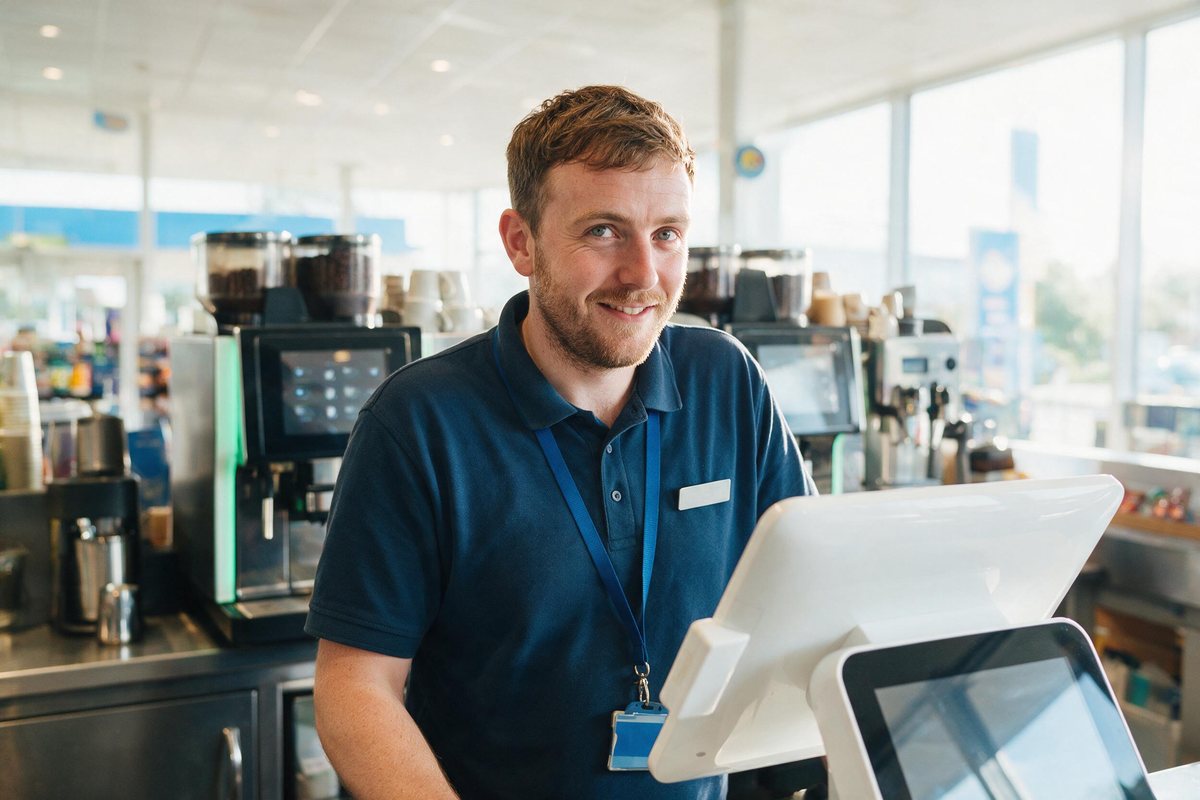
A community pharmacy is healthcare wearing a shop's clothes: a licensed profession at the back, a clinical-adjacent counter at the front, and error tolerances closer to a ward than a store. Its staffing problem has the same shape as dentistry's - a scarce licence at the centre, multipliable by support roles most owners under-hire - plus a shortage the public rarely hears about until the village pharmacy cuts its hours.
- Community pharmacy runs a quiet pharmacist shortage across Europe - every licensed candidate is employed and choosing between offers.
- Technicians and counter assistants are the capacity multiplier: trainable from the general pool, they return licensed hours to clinical work.
- Screen the whole stack for precision, discretion and calm - the dispensing error and the confidential moment are the job's real tests.
- Pharmacists move for scope and schedule - clinical services, no lone-working grind, humane Saturdays - more than for marginal salary.
The pharmacist market: scope beats salary
Licensed community pharmacists are effectively all employed, and the levers that move them between employers are working-design levers: clinical services that use the degree (vaccination programmes, medication reviews, prescribing where national rules allow), staffing that never leaves one professional carrying everything alone, fair weekend and evening rotation, and systems that respect their time. Advertise those specifics with the pay - the design-first recruiting logic of veterinary hiring applies almost unchanged - and reach them where professionals actually scroll rather than on boards they stopped reading, per switcher recruiting. Rural pharmacies add the housing-and-relocation answer up front, and increasingly the international route where national recognition rules allow, per healthcare licensing.

The multiplier layer: technicians and counter staff
Every task a trained technician or assistant absorbs - stock, labelling under supervision, OTC counselling within scope, the queue itself - returns licensed minutes to the work only the pharmacist may do. The pool is the general careful-service market: retail and hospitality people with precision temperament and genuine warmth, screened with scenario questions (the near-miss box, the confidential moment, the angry customer at the health counter) and grown through the certified routes your country runs - the dental assistant pipeline, transplanted. A pharmacy that always has one trainee in certification never faces the shortage raw.
Screening the stack
- Licence and register checks for the regulated roles, with the issuing body, every time.
- Precision scenarios, scored: error-handling instincts measured at application, per soft-skills screening - in this trade, the wrong instinct is a patient-safety issue.
- Discretion and de-escalation scenarios for everyone customer-facing - the counter hears disclosures and meets distress.
- References on finalists, always, per the reference guide - pharmacies are trust infrastructure with keys to controlled substances.
Keeping the small team
Pharmacy retention is small-team retention with clinical stakes: rota fairness across evenings and Saturdays, per shift planning; funded development (clinical services training for pharmacists, certification ladders for support staff, per internal mobility); and the error-culture question that decides whether good people stay - near-misses treated as system findings rather than blame events. In a team of four to eight, one toxic dynamic or one burned-out lone professional is the whole staffing plan failing at once - the turnover levers apply with dental-practice intensity.
The takeaway
Staff the pharmacy as three layers: recruit scarce pharmacists with scope and schedule design, manufacture technicians and counter staff from the careful-service pool with funded certification, and screen everyone for precision, discretion and calm. The shortage is real; the pharmacies that train their own multiplier layer and design humane professional work barely feel it.
Counter covered, scripts safe?
Qwiza screens pharmacy candidates for precision, discretion and availability up front - ranked evidence for the roles your licence depends on. 48-hour pilot target.
See how Qwiza worksFrequently asked questions
Why is it so hard to recruit a pharmacist for a community pharmacy?
Supply and drift: pharmacy graduates increasingly choose hospital and industry roles over community counters, rural areas struggle doubly, and every licensed community pharmacist is already employed - so recruitment is switcher recruitment. What surveys say moves them: expanded clinical scope (vaccinations, consultations - the interesting work), scheduling sanity (no permanent lone responsibility, fair weekend rotation), modern systems, and respect for the profession. Marginal salary differences move them least; everyone pays similarly.
Can I train pharmacy support staff from outside the sector?
Yes - and it is the scalable answer. Counter assistants hire from the careful-hands service pool (retail and hospitality people with precision and warmth) with product training on the job; technician routes vary by country but commonly combine employment with certified courses over one to three years. Screen the trainable core - accuracy under repetition, protocol discipline, comfort with confidential moments - and fund the certification with fair stay-periods, the same grow-your-own maths as dental assistants.
What must screening catch for pharmacy roles?
Three non-negotiables beyond any licence check: precision temperament (scenario questions on the near-miss - the wrong-strength box that almost went out - reveal error-handling instincts), discretion (customers disclose health matters at the counter; a scenario on the overheard conversation tests it), and calm de-escalation (pharmacies meet distress, dependency and anger weekly). Verify licences with issuing registers where roles require them - and reference-check finalists, since this is trust infrastructure, not retail.