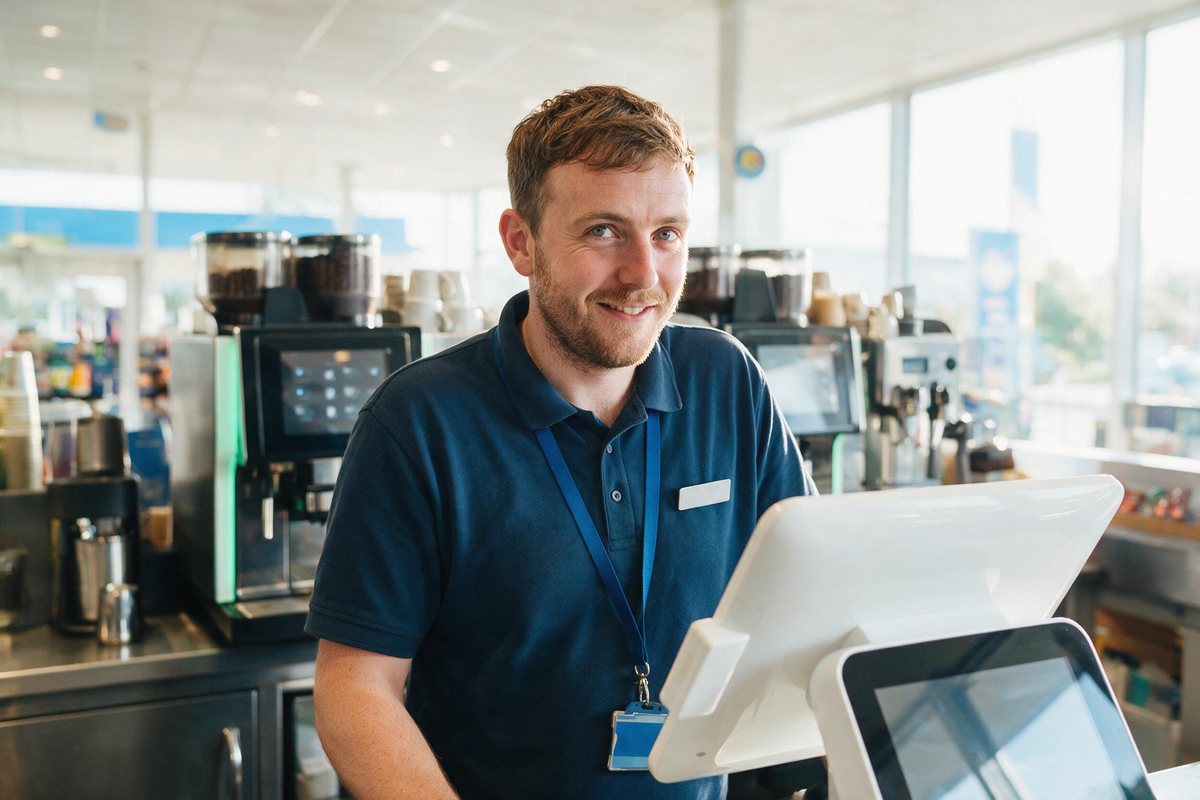
The modern forecourt is a compressed department store: fuel, barista coffee, hot food, parcels, lottery, age-checked sales - often run by one person at 3am. Staffing it means hiring for an unusual bundle: retail speed, food-safety basics, cash integrity and lone-worker calm, across a roster that never sleeps. The sites that stay staffed hire the bundle deliberately.
- Forecourt roles are three jobs at once - retail speed, food service and site safety - and the ad should say so with pride, not apology.
- Night coverage is the hard core: recruit night-life-fit people deliberately and pay the premium visibly.
- Lone-worker temperament is screenable: scenario questions on the drive-off, the aggressive customer and the 3am emergency separate candidates fast.
- Integrity systems beat integrity vetting - but screening for conscientiousness still pays daily on cash, fuel and age-restricted sales.
The job, described honestly
Forecourt ads underperform when they read as generic retail; the actual role is more interesting and harder, and the candidates who thrive know it. Name the bundle: till and coffee and food prep and deliveries and the responsibility of running a site solo - alongside the compensations: premiums, the autonomy, the quiet night hours, the skills acquired. Honest complexity attracts the capable and repels the mismatch - the honest-ad arithmetic in one of its clearest cases. State pay with the night differential explicitly, per salary transparency.
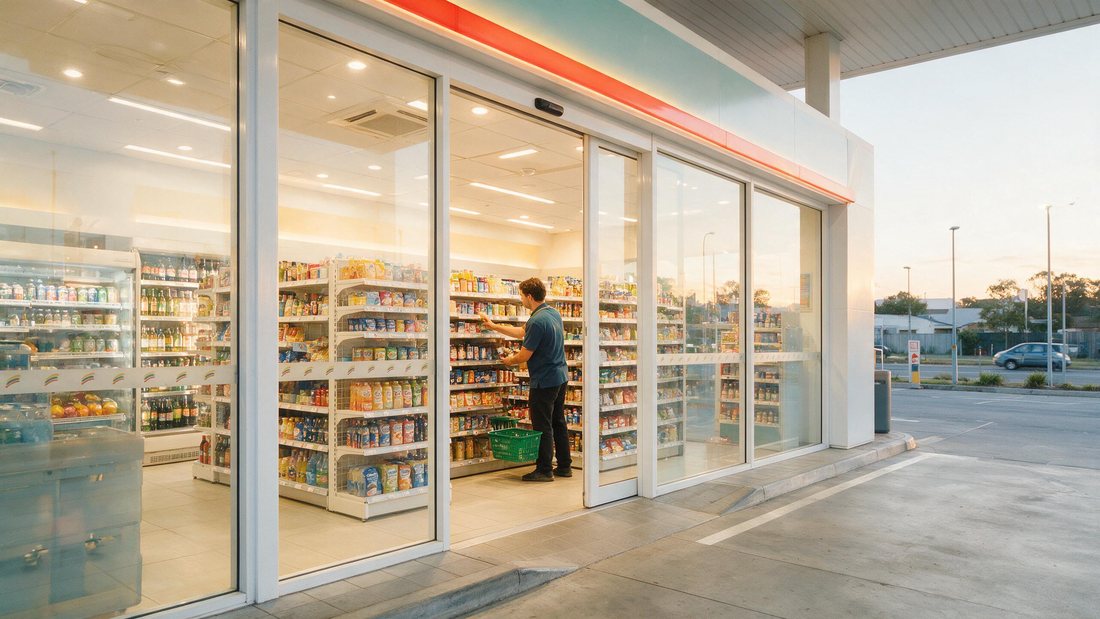
Screening the bundle
- Availability knock-outs first: nights, weekends, holiday rotation - the roster truth up front, per screening questions.
- Lone-worker scenarios, scored: the drive-off, the aggressive drunk at 2am, the fire alarm - procedure-minded answers reveal the temperament.
- Compliance instincts: the underage tobacco attempt with a queue watching - a scenario that predicts your licence's safety.
- Multi-tasking reality: coffee machine down, queue forming, delivery arriving - prioritisation under load, in ninety seconds of quiz, per quiz screening.
Nights, safety and the retention loop
Night staffing is the forecourt's perpetual project, and it stabilises the same way everywhere: dedicated night people recruited on purpose (not day staff punished in rotation), premiums that respect the biology, and safety infrastructure - lighting, panic systems, cash minimisation, check-ins - both real and advertised, per night shift hiring. Retention then follows the usual levers with a site-specific twist: cross-training toward site-supervisor keys gives the role a ladder, and treating the 3am solo worker as the trusted operator they are - rather than a camera subject - is the culture difference candidates can smell in the interview.
The takeaway
Hire the forecourt bundle on purpose: honest ads that name the complexity, scenario screening for lone-worker calm and compliance instinct, dedicated night crews paid visibly, and systems that make honesty easy. A 24-hour site staffed this way runs itself at 3am - which is the entire point.
Every shift covered, even the 3am one?
Qwiza screens night availability, lone-worker temperament and reliability up front, and returns ranked local candidates for round-the-clock rosters - 48-hour pilot target.
See how Qwiza worksFrequently asked questions
How do I staff the night shift on a 24-hour site?
Recruit for the night, not despite it: a real population - students, second-jobbers, night owls, people avoiding daytime childcare costs - prefers nights when the ad leads with the premium, the quiet, and the safety measures. Screen specifically: genuine night transport, a scenario on the intoxicated customer, and honesty about the rhythm. Rotating everyone through unwanted nights churns the whole roster; dedicated night crews with dedicated premiums stabilise it - the core argument of night shift hiring.
What safety obligations come with lone night workers?
Jurisdictions vary but the direction is common: a risk assessment for lone working, panic and CCTV systems maintained, cash-minimisation procedures (drop safes, card-first policies), clear robbery-response training (comply, observe, report - heroism prohibited), and check-in protocols. Beyond compliance, visible safety investment is a recruiting asset: candidates for night roles ask about it first, and the ad that answers pre-empts the fear.
How do I screen for honesty around cash and fuel?
Structure beats suspicion: shrinkage is controlled by systems - till counts, cameras, fuel reconciliation, mystery checks - not by finding saints. What screening adds: conscientiousness signals (application timing and care), scenario questions with a right answer that is procedural rather than heroic (the colleague voiding sales, the underage lottery attempt), and reference checks on finalists for till roles, per the reference checks guide. Then trust the systems and treat people as honest - surveillance culture churns exactly the good staff.