Bulgaria enters every spreadsheet as the EU's cheapest labour market and exits every honest conversation as one of its tightest: two decades of emigration took exactly the cooks, drivers, builders and nurses employers now search for, while Sofia grew a genuine tech-and-services economy with pay expectations to match. Hiring here follows the regional playbook - current numbers, clean paper, social-first reach - with a Bulgarian accent.
- Bulgaria has the EU's lowest minimum wage - around the high four hundreds in euro monthly - but Sofia market rates and IT pay tell a very different story.
- Two decades of emigration hollowed the trades and services; returnees and the domestic switcher market are the real recruiting pools.
- Registration before day one is mandatory and policed; undeclared work carries serious fines.
- Channels are board-plus-social: jobs.bg dominates listings, Facebook and Viber carry the frontline conversations.
Two markets in one country
Sofia (and to a degree Plovdiv and Varna) runs a modern service economy: IT at near-western pay, retail and hospitality competing hard for staff, and costs that surprise anyone who packed only the minimum-wage statistic. The rest of the country holds Europe's sharpest demographic decline - villages emptied, regional towns ageing - which means regional hiring is less about beating competitors than about reaching the diminished pool at all: transport support, housing help and flexible patterns for older workers do real work there, per hiring over 50.
Pay, contracts and the floor that is not the market
The statutory minimum - the EU's lowest, roughly 480 EUR a month as of 2026 and rising annually - matters mainly as the base for social contributions and statistics. Offers live above it: quote current net figures, name the extras Bulgarian candidates expect (food vouchers are a widespread, tax-favoured standard; transport allowances common), and refresh benchmarks every season because wage growth has run double digits from the low base. Contracts are written, registered before day one, with probation up to six months and standard statutory premiums for nights and holidays - the compliance shape shared with Serbia and Romania.
The seasonal coast and the mountain winter
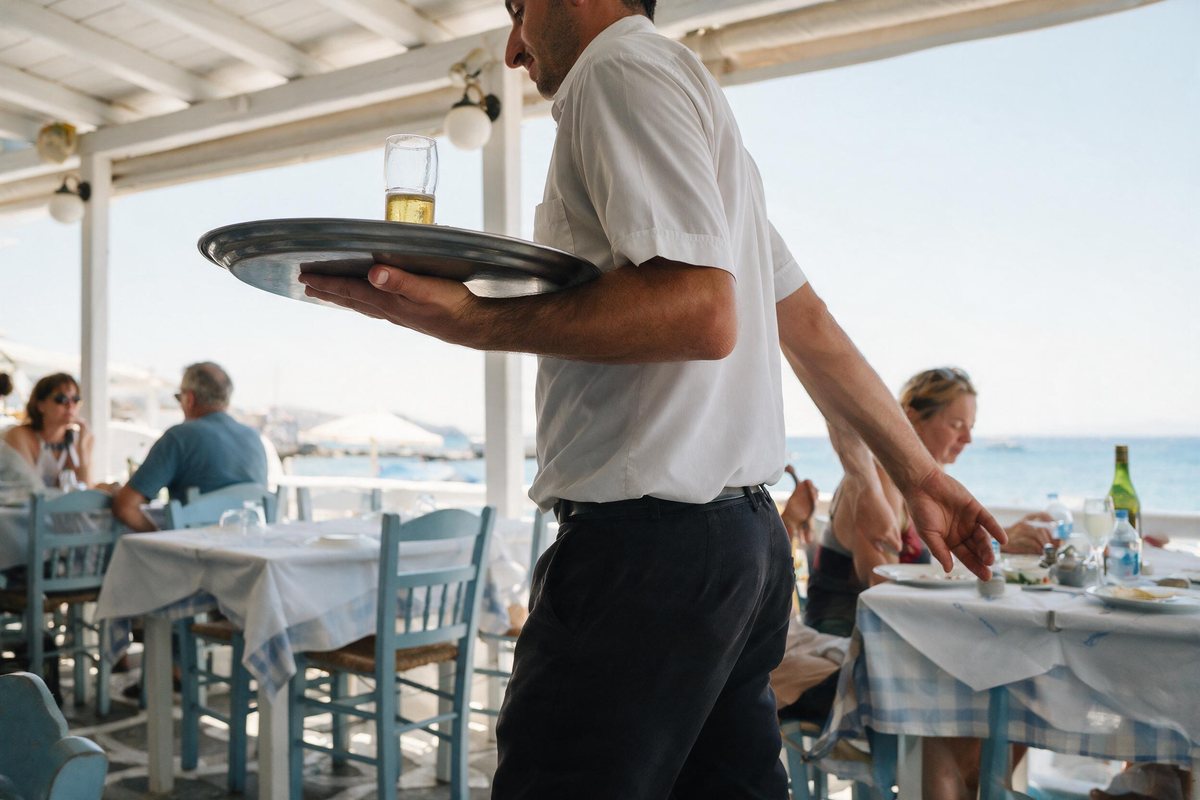
Black Sea summers and Bansko-Borovets winters run compressed seasonal economies staffed by students, regional workers and - increasingly - third-country crews under seasonal permits. The calendar is the familiar one from the seasonal hiring calendar: veterans re-signed by February, campaigns in early spring, housing stated in the first line of the ad, and the returning-crew flywheel deciding who staffs August calmly. Wage competition with Greek islands is real - Bulgarian seasonal workers compare across the border, so honest package maths beats patriotic appeals.
Where Bulgarian candidates look
- jobs.bg dominates the board market with Zaplata.bg on its heels - list there, but expect the employed majority to never visit.
- Facebook groups per city and trade remain unusually strong, and Viber is Bulgaria's messaging default - confirmations and reminders belong there, per the messaging playbook.
- The diaspora scrolls the same feeds: returnee-friendly campaigns reach Bulgarians in Germany and Spain considering the move home.
- Referrals run deep in a relationship culture - formalise them with bonuses, per employee referral programs.
The takeaway
Treat Bulgaria as what it is - a tight, fast-changing market wearing a low-cost label. Benchmark pay to this quarter, register before day one, run Bulgarian-language campaigns in the feeds with net numbers and vouchers named, court the returnees, and build the seasonal flywheel early. The employers still hiring on the spreadsheet version of Bulgaria are the ones with the empty rotas.
Hiring in Bulgaria?
Qwiza runs your campaign in Bulgarian, screens availability and experience up front, and returns ranked candidates from the feeds where they actually scroll - 48-hour pilot target.
See how Qwiza worksFrequently asked questions
What does the low Bulgarian minimum wage mean in practice?
Less than it seems. The statutory floor - the EU's lowest, around 480 EUR monthly as of 2026 - anchors statistics, not offers: Sofia service roles, drivers and skilled trades price meaningfully above it, and the IT sector pays western rates. Bulgarian candidates negotiate in net terms and compare against emigration alternatives, so a current local market check beats the national floor as your benchmark every time.
What paperwork must precede an employee's first day?
A written employment contract registered with the National Revenue Agency before work begins - the notification requirement is strict, and labour inspections check the sequence in exactly the sectors that hire fast (hospitality, construction, retail). Probation of up to six months can be agreed. The mechanics are routine for any Bulgarian accountant; the non-negotiable is paper first, work second, as across the region.
Where do I find workers when so many Bulgarians work abroad?
Three pools: the domestic switcher market (everyone good is employed - concrete net offers and fast responses win them, as in every tight market), returnees (Bulgarians coming home from Western Europe respond to feed campaigns that explicitly welcome their experience - the same play as in Romania), and third-country workers through permits for roles the market cannot fill, an increasingly normal route for tourism and transport. Seasonal Black Sea hiring adds the annual rhythm: commit crews by early spring.