
Somewhere between 2015 and now, the phone call died for anyone under forty and email became the place where messages from strangers go to be deleted. What survived is messaging: WhatsApp opens within minutes, gets answered within the hour, and carries none of the dread of an unknown caller. Recruiting that routes its human moments through messaging simply completes more hires - the trick is knowing which moments those are.
- Frontline candidates answer messages and ignore inboxes - open and response rates on messaging dwarf email at every funnel stage.
- WhatsApp is for logistics and warmth - confirmations, reminders, directions - not for collecting applications or sensitive data.
- Consent and restraint keep it legal and liked: candidates opt in, business hours apply, and unsubscribing is instant.
- Interview no-shows drop measurably when reminders arrive where candidates actually look.
Why messaging wins the frontline funnel
A frontline candidate is on their feet all day, applying from a phone in stolen minutes. Email demands a context switch they will not make for a maybe; a call interrupts a shift and gets screened. A message waits politely and gets read - open rates in the nineties against email's twenties, replies in minutes against days. Every funnel stage that depends on the candidate responding - confirming an interview, sending a document, saying yes - moves faster on the channel they already live in. This is the argument of messaging in recruitment, and WhatsApp is its sharpest edge in most of Europe.
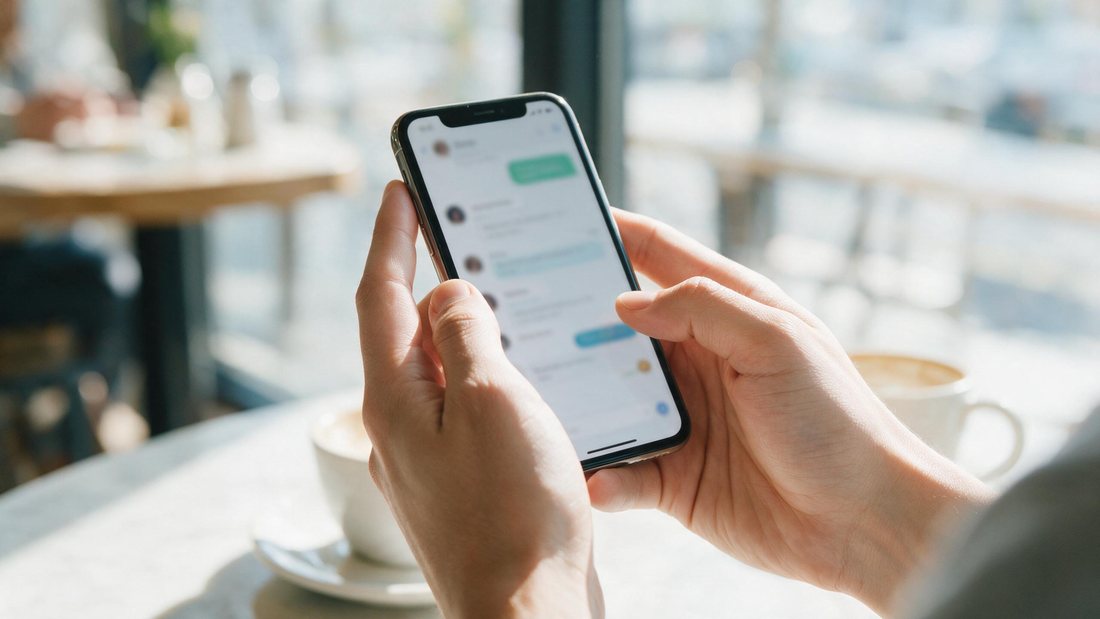
The division of labour: structure screens, chat carries
The tempting mistake is doing everything in chat. But screening needs structure - the same questions to everyone, scored, comparable, as in quiz-based screening - and chat produces the opposite: meandering threads you cannot rank. The high-performing funnel splits the job: a two-minute structured application collects and scores the substance; WhatsApp handles everything human that follows. Confirmation with a name and a photo of the entrance. A reminder the evening before. The running-late message that saves an interview instead of losing a candidate. Warmth at message speed.
A worked example: the reminder sequence
A ten-site grill chain interviewed 40 candidates a month and watched a third not show up. They added a three-message WhatsApp sequence to every booking: instant confirmation with date, time, address pin and the interviewer's first name; a reminder at 18:00 the evening before with a one-tap "rebook if needed" link; and a morning-of message with parking and entrance directions.
No-shows fell from roughly one in three to about one in eight within two months - not because candidates became more serious, but because forgetting, getting lost and being too embarrassed to cancel stopped being exit doors. Numbers reflect a composite of typical results and Qwiza pilot targets; the sequence itself is copyable by any employer this week.
Keeping it legal and liked
- Opt in at application: one checkbox, plain words, no pre-ticking.
- Business identity: use a business account with your name and logo, not a manager's personal number that leaves with them.
- Working hours and restraint: process messages only, no marketing, nothing sensitive - pay discussions and documents belong in structured channels.
- Instant off-switch: a stop request works immediately, and data retention follows your normal candidate rules, per GDPR for recruiters.
The takeaway
WhatsApp will not screen candidates for you - structure does that. What it does, better than any channel, is keep humans moving through your funnel: read in minutes, answered in hours, present at the exact moments where hires are usually lost. Split the roles - structure for substance, messaging for momentum - and the funnel leaks measurably less.
Meet candidates where they reply.
Qwiza runs the application and scoring in a structured funnel, then keeps candidates warm with confirmations and reminders that actually get read - 48-hour pilot target.
See how Qwiza worksFrequently asked questions
Can I legally contact candidates on WhatsApp?
Yes, with consent and sense. Ask in the application - "May we contact you on WhatsApp about this application?" - use it for the process they applied to, keep messages inside working hours, and stop instantly on request. What does not belong there: collecting the application itself through chat (structure beats chat for screening), sensitive personal data, or marketing blasts to people who applied for a job once. The data-minimisation habits from GDPR apply to chats too - they are candidate data like any other.
Should candidates apply via WhatsApp chat?
Mostly no - chat-based applying feels light but produces unstructured, incomparable answers and drags conversations out over hours. The pattern that works: a structured two-minute application (scored, comparable, mobile-first) with WhatsApp taking over afterwards for what messaging is actually good at - the interview confirmation, the reminder, the where-do-I-park question at 8am. Structure for screening, chat for logistics.
Does WhatsApp really reduce interview no-shows?
It is the single most effective lever most employers have not pulled. No-shows are mostly logistics and cold feet, and both respond to a message the candidate actually sees: a confirmation at booking, a reminder the day before with the address and a name, and a one-tap way to rebook instead of vanishing. Employers who add that sequence consistently report no-show rates falling by a third to a half - the mechanics we cover in the interview no-shows guide.