Norway sits just outside the EU and just inside its labour market: EEA free movement brings European workers in, oil-economy wages set a price level the rest of Europe stares at, and a small, high-trust society does business on first names and short lines of authority. Hiring here is expensive, orderly and - with the right expectations - straightforward.
- Norway is EEA, not EU: free movement applies for European workers, while third-country hiring runs through real permits.
- No general minimum wage, but generally applied collective rates make sector minimums legally binding in hospitality, construction, cleaning and more.
- Labour costs are Europe's highest - productivity expectations and lean staffing come with them.
- Seasonal tourism (winter north, summer fjords) runs on international crews hired months ahead.
Pay: the highest floor in Europe
Norwegian labour costs top European tables, and in the exposed sectors the floor is not theoretical: generally applied collective rates make agreed minimums binding on every employer in hospitality, construction, cleaning, agriculture and transport - the legal answer to social dumping. Above the floors, the compressed Norwegian wage structure means the gap between a new starter and a supervisor is smaller than elsewhere; you compete on schedule quality, housing help and team culture more than on pay differentials. Publish the hourly rate anyway - in a market where the minimums are public, silence reads as evasion, per salary transparency.
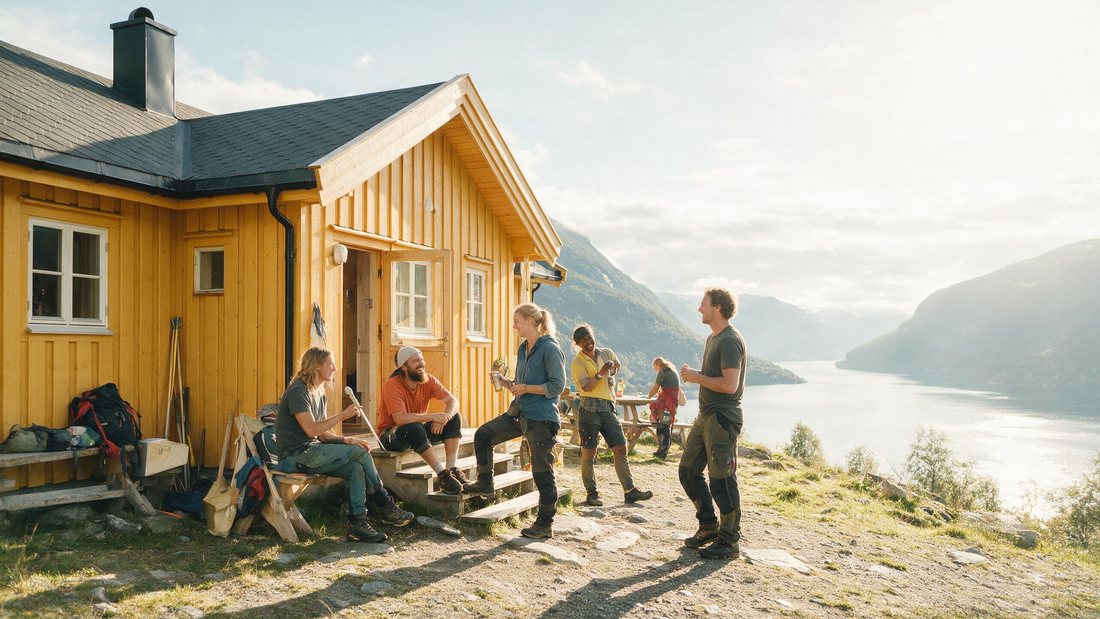
The seasonal machine
Norwegian tourism runs two seasons - winter light-chasing in the north, summer fjords and hiking everywhere - staffed substantially by international EEA crews recruited months in advance. Staff housing is usually part of the deal and belongs in the ad's first line, along with which languages the workplace runs on; English-first workplaces are common and worth stating. The recruiting calendar is brutal: winter-season hiring closes by early autumn, summer by March. The mechanics mirror ski season staffing and returning seasonal workers - rehire rates are the whole game at these distances.
Rules that shape the everyday
- Written contracts promptly, with recently tightened content requirements - Norway upgraded its rules in step with the EU's transparent-conditions push.
- Working time is policed - averaging schemes exist for seasonal intensity but need agreement; rest rules are enforced.
- HMS (health, safety, environment) duties are taken seriously from the first employee, including in small hospitality businesses.
- Temporary hiring was restricted in recent reforms - permanent employment is the strong default, with genuine seasonal work among the remaining justifications.
Where do Norwegian candidates look?
Finn.no is the national everything-marketplace and its job section dominates; NAV runs the public board; and the feed carries the frontline and seasonal audience - including the international one, which follows Norwegian seasonal employers on Instagram and finds winter jobs through Facebook groups from Tromso to the Alps. A native Norwegian campaign for locals plus an English campaign for the EEA seasonal pool, both with two-minute scored applications, covers the whole market.
The takeaway
Norway asks you to pay properly, paper promptly and plan seasons like military operations - and gives you back EEA-wide recruiting freedom, a high-trust workplace culture and candidates who respond to plain honesty. Expensive, yes; complicated, no.
Hiring in Norway?
Qwiza runs your campaign in Norwegian - written natively, not translated - screens availability and permits up front, and returns ranked candidates. 48-hour pilot target.
See how Qwiza worksFrequently asked questions
Is there a minimum wage in Norway?
Not a general statutory one - but in sectors with a history of low-wage competition, collective agreement rates have been made generally applicable by law, meaning they bind every employer in the sector regardless of membership. Hospitality, construction, cleaning, transport and agriculture are among them, with published hourly minimums. If you operate in one of these sectors, the allmenngjort rate is your legal floor - check the current figure with the Labour Inspection Authority.
Can EU citizens work in Norway without a permit?
Yes - through the EEA agreement, EU and EEA citizens live and work in Norway freely, registering with police within three months. That makes the whole European labour pool available for Norwegian seasonal and frontline hiring, and international crews are the norm in tourism. Third-country nationals need genuine work permits with skill and salary conditions - feasible for specialists, slow for frontline.
What does probation look like in Norway?
Up to six months by written agreement, with a shorter mutual notice period during it - usually 14 days. Norwegian employment protection outside probation is meaningful (dismissals need objective grounds and process), so use the probation window as the honest evaluation it is designed to be, with feedback along the way rather than a surprise at month five.