A ski season is a hundred-day business staffed by an army that assembles in November and dissolves in April. The hiring is autumn work: the pool - season veterans, gap-year internationals, hospitality nomads - commits early to whoever offers first with a warm bed attached. Miss October and you staff January from the leftovers; run the autumn properly and the mountain opens fully crewed.
- The winter-season labour market clears in October - campaigns live by September, offers signed by early November.
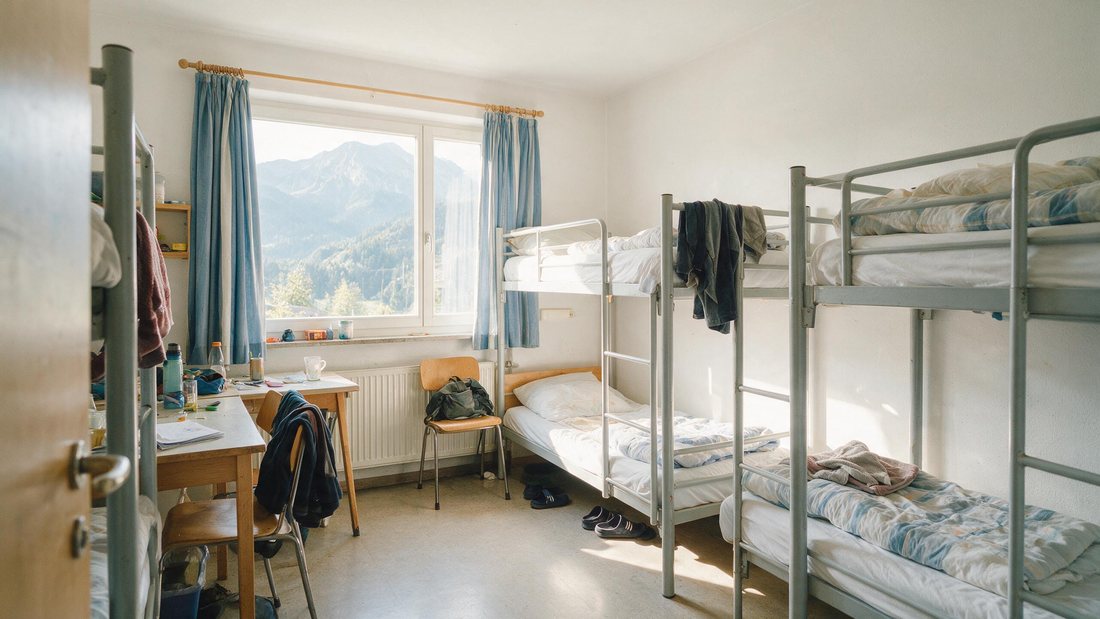
- Accommodation is the offer: a warm staff bed decides more applications than the wage line.
- The pool is international by nature - EEA free movement staffs the Alps, and post-Brexit British crews need permits most had forgotten about.
- Season completion is the retention metric: bonuses, mid-season care and the January dip plan keep the crew to closing day.
The offer is a bed with a wage attached
Resort economics invert normal hiring: gross pay matters less than the net-of-living reality, because resort rents devour wages. The competitive ad leads with housing - photos, room-share numbers, cost, distance to the lifts - then meals, the lift pass, and the wage with premiums. Say the whole equation out loud: "you keep roughly X a month after bed and board" is the sentence that fills intake, the resort version of pay transparency. The same logic runs Swiss and Austrian winter hiring - and the housing note in Ireland's guide shows it is not only mountains anymore.
Role-by-role screening
- Lifties and operations: reliability at 7am in minus fifteen - screen transport-to-resort, cold tolerance stated honestly, and a scenario on guest safety.
- Chalet and hospitality: stamina plus warmth - situational questions and, for cooks, the menu reality; experience by covers-per-service, per kitchen hiring.
- Instructors: certifications verified with issuing bodies (fraud exists), languages checked, and the national-school versus independent employment rules of your country respected.
- All roles: exact date availability - arrival to closing day - as the first knock-out; the season-completion problem starts with people who never meant to stay past February.
The international machine
Alpine seasons run on EEA free movement - crews from across Europe staffing France, Austria, Switzerland (registration-grade permits, per the Swiss guide) - plus the post-Brexit twist: British seasonal workers, once the backbone of chalet culture, now need permits that operators must sponsor and plan months ahead. Campaigns therefore run multilingual and feed-first: the gap-year pool lives on Instagram and TikTok, veterans in Facebook season-worker groups, and applications must work from a phone in any language, per multilingual recruitment.
The takeaway
Ski season staffing is an autumn campaign with a housing headline: veterans re-signed in September, feeds filled in October, offers signed by November, screening anchored on dates and cold reality, and completion engineered with bonuses and January care. Run it like the seasonal military operation it is, and April's closing party is staffed by the same faces as December's opening.
Mountain staffed by November?
Qwiza runs multilingual campaigns to seasonal workers in their feeds, screens dates, housing needs and experience up front, and returns ranked candidates - 48-hour pilot target.
See how Qwiza worksFrequently asked questions
When does ski season hiring actually happen?
Campaigns in September, peak applications early October, offers signed by early November, arrival and training late November to early December. Veterans commit first and earliest - resorts and operators re-sign their best people before public advertising even starts. A December campaign staffs January's gaps from whoever remains, at premium cost and rookie risk.
What matters more - wage or accommodation?
Accommodation, decisively, in every high-altitude labour market: a season worker's real income is wage minus rent minus food, and resort-town rents are impossible. Staff housing quality (photos in the ad), meal arrangements, and the honest net-of-living calculation are the deciding facts. Employers who improved staff housing report application multiples; the wage line alone moves far less.
How do I keep staff from quitting mid-season?
Plan for the January dip - the post-holiday exhaustion window where most mid-season exits cluster. The levers: a season-completion bonus with real weight paid at closing, one genuine day off weekly actually protected, decent food all season (chalet crews fed like guests stay like family), mid-January morale investment (a staff event, lift passes honoured), and supervisors briefed to spot burnout early. Completion rates are built in November's expectations and January's care, not begged for in February.