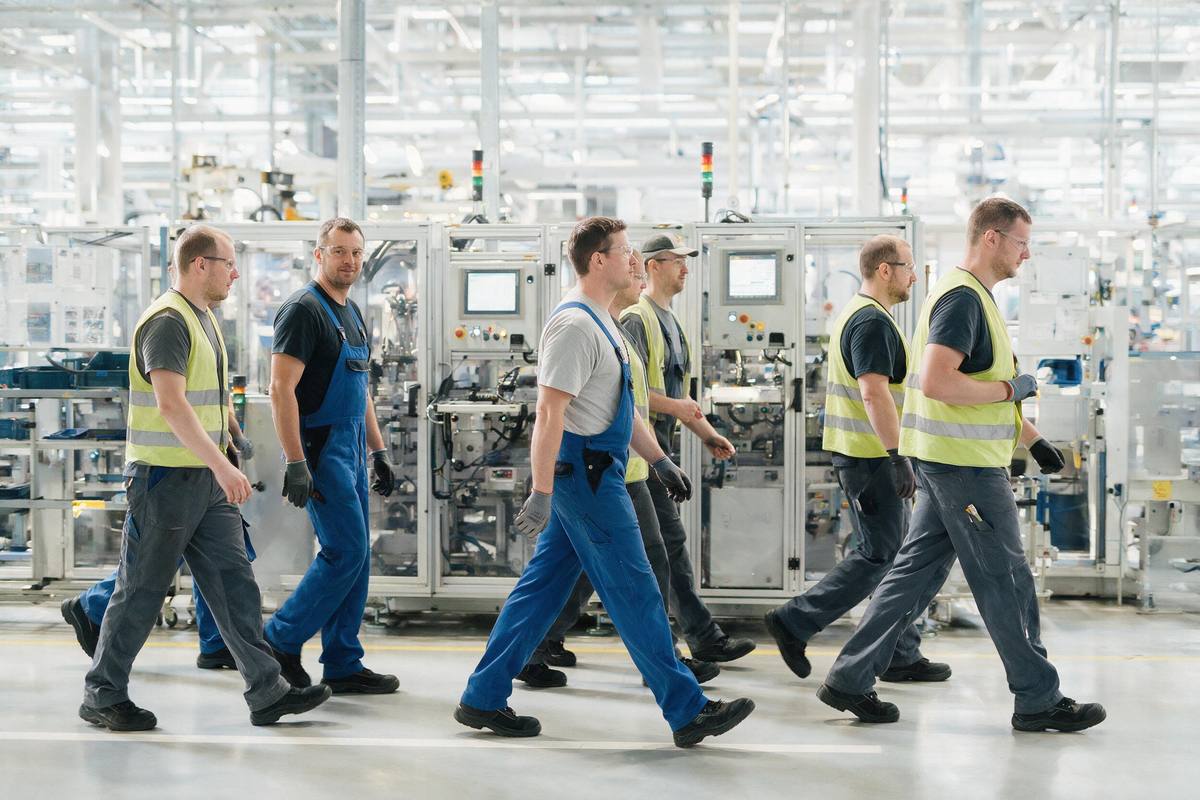
Hungary industrialised into the same corner as Czechia: giant manufacturing investment, a workforce that is fully employed, and the neighbours - Austria above all - paying multiples for the same hands. The answers Hungarian employers found are instructive: aggressive minimum-wage rises, cafeteria benefits, and a purpose-built guest-worker pipeline from Asia. Hiring here means using all three honestly.
- Hungary runs a structurally tight labour market - low unemployment, heavy manufacturing demand and steady outflow to Austria and Germany.
- Minimum wages (standard and skilled) have risen in double-digit steps under multi-year agreements - budget the trajectory.
- Guest workers from Asia now staff significant parts of industry under a quota-and-agency system rebuilt in recent years.
- Net pay thinking rules: the flat personal income tax and prominent under-25 exemption shape what candidates compare.
The market: everyone works, many commute out
Unemployment is low and has been for years; the deeper drain is westward - hundreds of thousands of Hungarians work in Austria and Germany, including exactly the hospitality and trades profiles domestic employers miss most. Border-region employers effectively compete with Vienna wages. The switcher playbook from Czechia applies fully: concrete net numbers, shift premiums, transport and SZEP-card benefits in the ad, same-day responses, and retention treated as the cheaper half of recruiting.
Pay: floors, trajectory and the net-pay lens
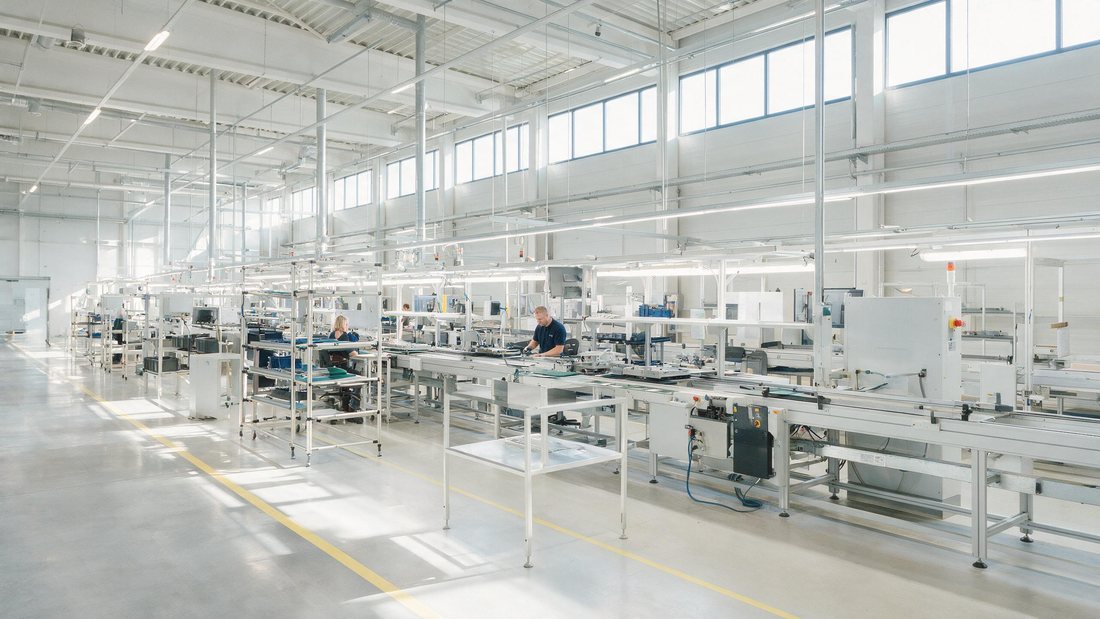
Two statutory floors - standard and skilled - have climbed in large negotiated steps, with a stated ambition to keep converging toward EU averages. Hungary's flat personal income tax, and full exemption for workers under 25 (and other groups), make net pay the universal comparison currency - a 24-year-old's identical gross is a visibly bigger net, which smart employers reflect in youth-targeted ads. Publish net figures per age bracket where relevant; it is exactly the concrete-numbers honesty that converts frontline ads anywhere.
Guest workers: the built pipeline
- Quota-based and agency-run: annual government quotas, licensed qualified lending agencies, defined source countries - the system was rebuilt tightly in recent years.
- Industrial first: factories and logistics lead; services follow where rules allow.
- Lead time and onboarding are the real costs - months of process, then language basics, housing and supervision done properly; employers who invest keep crews for years.
- Rules move: quotas, country lists and conditions have changed repeatedly - verify current state before building plans on it.
Where do Hungarian candidates look?
Profession.hu dominates the boards, with Jofogas (classifieds) strong for blue-collar and local work. But Hungarian frontline attention, like its neighbours', lives in Facebook groups - city and trade groups remain unusually vital - with Instagram and TikTok carrying Budapest services. Referral culture is strong; formal bonus programmes as in employee referral programs convert it into a channel. And for the commuting-out crowd, a feed ad reaching a Hungarian in Vienna with a genuinely competitive home offer is the only realistic recall instrument.
The takeaway
Hungary is a numbers market in a shortage economy: two rising wage floors, net-pay arithmetic sharpened by the flat tax, benefits that candidates count, and a guest-worker channel for the structural gap. Publish real figures, answer fast, brief agencies properly for imported crews - and treat every trained employee as the asset the market says they are.
Hiring in Hungary?
Qwiza runs your campaign in Hungarian and the languages of your workforce, screens shift availability up front, and returns ranked candidates - 48-hour pilot target.
See how Qwiza worksFrequently asked questions
What are the minimum wage rules in Hungary?
Hungary sets two floors: the standard minimum wage and a higher guaranteed minimum for jobs requiring secondary qualifications - most skilled frontline roles fall under the second. Both have risen in large annual steps under government-employer-union agreements, with double-digit increases in recent years. Check the current forint figures when budgeting, and note that many manufacturers pay meaningful cafeteria benefits (the SZEP card system) on top.
How do guest workers fit into Hungarian hiring?
Significantly and by design: as domestic labour ran out, Hungary built a regulated guest-worker channel - annual quotas, licensed lending agencies, defined source countries - that now staffs major factories and increasingly services with workers from the Philippines, Vietnam, Indonesia and elsewhere. For an employer the practical route is through the licensed agencies, budgeting months of lead time and proper onboarding; rules have shifted repeatedly, so verify the current quota and country list before planning.
What does probation look like?
Up to three months by default agreement, extendable to six under collective agreement, with immediate termination possible during it. Fixed-term contracts are capped at five years total. The Labour Code is employer-friendlier than western neighbours on paper - but the market is not: with Austria a commute away for western Hungarians, retention economics matter more than legal flexibility.