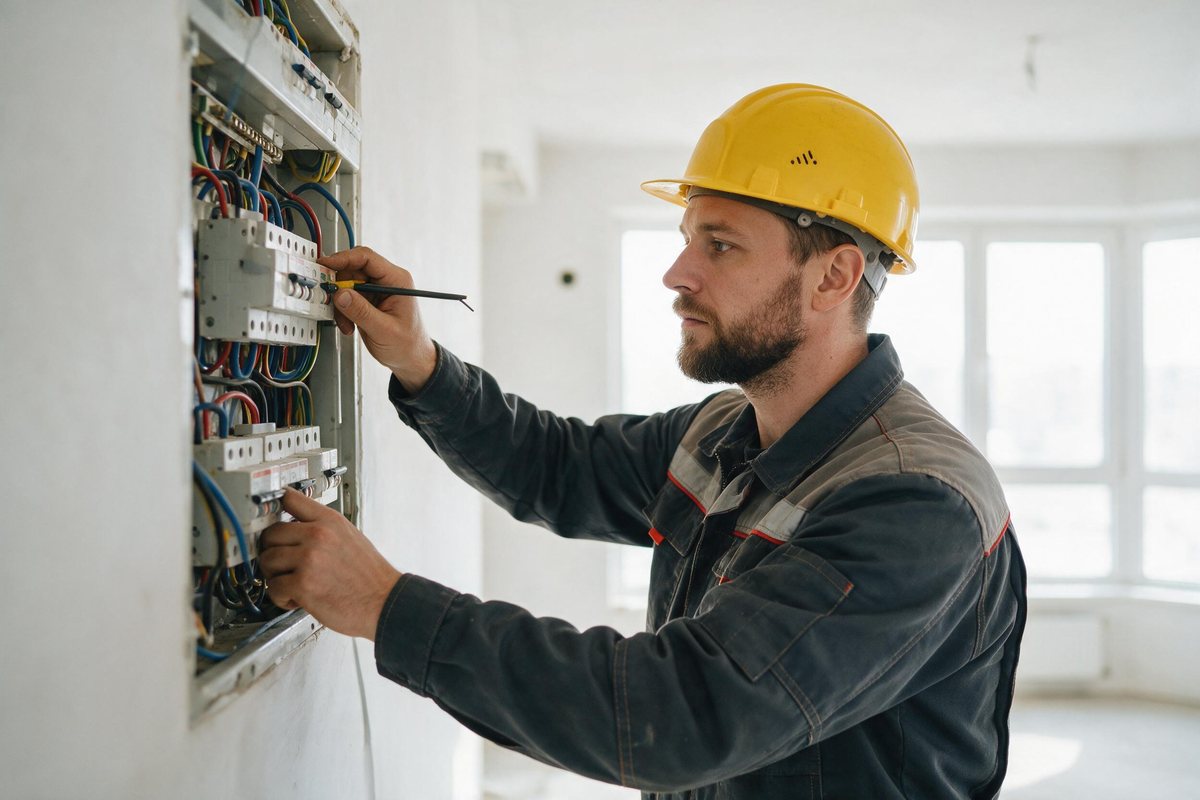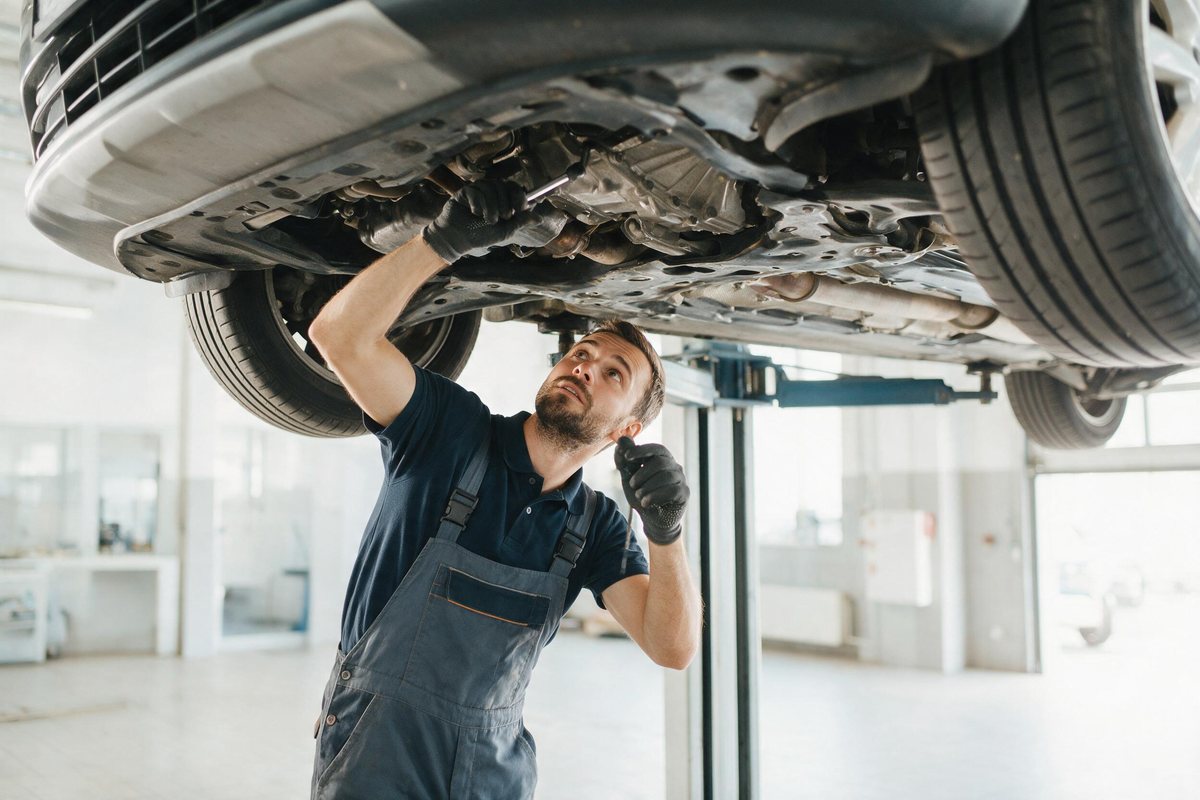
The workshop trade is running two shortages at once: the classic one - master mechanics retiring faster than apprentices arrive, per the pattern in every skilled trade - and the transition one, as electric drivetrains turn half the future workload into high-voltage work most garages cannot yet legally touch. Hiring through this means playing both boards: recruiting and keeping mechanical craft, while manufacturing EV competence in-house before the market prices it out of reach.
- Workshops now need two overlapping trades: classic mechanical craft and high-voltage EV competence - and both are short.
- The EV answer for most garages is retraining your own: high-voltage certification courses are days to weeks, not years.
- Diagnostics ability is the real hiring test - screen with a fault-finding scenario, then a paid practical on a real car.
- Mechanics switch for equipment, training and honest hours-recording - the trades playbook applies bay by bay.
The EV split, sized honestly
EV service volume is still a minority of most independent workshops' work - but it is the growing minority, and high-voltage systems are legally and physically unforgiving territory reserved for certified hands. The good news is course economics: high-voltage certifications stack in days-to-weeks modules, which makes retraining your proven people the dominant strategy over bidding for the few certified strangers - the same grow-your-own logic as the electrician pipeline, on a faster clock. Sequence it: two certified technicians cover current EV demand at a typical independent, the rest convert as volume grows, and the training-funded promise becomes your best recruiting line meanwhile.

Recruiting working mechanics
Every good mechanic is employed, so ads compete against a current job on the trade's documented grievances: pay schemes nobody can audit (state yours plainly - base plus transparent efficiency bonus beats mystery flag hours), tired equipment (name your diagnostics platforms and lift count), unpaid diagnostic time, and no development. Feed campaigns reach them at lunch, per switcher recruiting; the two-minute application asks certifications, specialisms and the scored diagnostic scenario; no CV required, because the trade lives in hands and method, per no-CV hiring.
The pipeline behind the bays
- Apprentices, always: the only guaranteed future supply, recruited through schools and TikTok-era trades content, per hiring apprentices - workshops that train two a year stop having emergencies.
- Career changers with adjacent hands: agricultural mechanics, production maintenance, serious hobbyists - screen the diagnostic instinct, train the specifics.
- Tyre-and-service entry roles as the on-ramp: hire for care and reliability, promote toward the lifts, per internal mobility.
- Returning veterans of the trade - back problems permitting - excel at diagnostics, MOT-style inspection and mentoring, per hiring over 50.
Keeping them: the workshop honesties
Mechanic retention tracks three honesties: the pay scheme (transparent maths, paid diagnostic time, no quiet clawbacks), the body (lifts that work, proper tools, rotation off the killer jobs - the ergonomics logic from production trades), and the craft (training funded, new platforms first, a say in equipment). Add the ladder - master tech, foreman, EV lead with pay steps attached - and your best people stop taking the dealer's calls. Every honesty kept is also, as everywhere in the trades, a job-ad sentence competitors cannot write.
The takeaway
Hire the craft, manufacture the voltage: recruit switchers with transparent pay and real tooling, certify your own people for EV work in course-sized steps, keep apprentices flowing, and retain with the three honesties. The transition is a decade long - workshops that build the dual capability now will service both fleets while competitors fight over a shrinking single trade.
Bays full, lifts staffed?
Qwiza reaches working mechanics in the feed, screens certifications and diagnostic instinct up front, and books paid practicals automatically - 48-hour pilot target.
See how Qwiza worksFrequently asked questions
How do I get EV-capable technicians when everyone wants them?
Mostly by making them from mechanics you already trust: accredited high-voltage safety and repair certifications run days to weeks per level, manufacturers and colleges offer them widely, and a solid combustion technician converts far faster than a scarce EV-certified stranger can be recruited. Fund the courses with fair stay-periods, sequence the team (two certified techs cover most independent workshops' current EV volume), and advertise the training itself - 'we certify you on high-voltage this year' recruits ambitious mechanics from garages that will not.
What should a mechanic's job ad actually say?
The trade's real decision factors, concretely: pay with the bonus or efficiency model explained honestly (opaque flag-hour schemes are the sector's classic exit reason), the equipment and diagnostics platforms they will use (mechanics read tooling lists the way chefs read kitchen specs), the work mix (fleet contracts versus walk-in variety), training funded, Saturdays rotation, and clean-workshop signals. The concrete-numbers rule from the trades applies unchanged - vague ads recruit beginners only.
How do I test a mechanic's actual ability before hiring?
Two stages. At application: a scored diagnostic scenario ('intermittent misfire, no stored codes, customer says it happens cold - what do you check first, second, third?') separates systematic fault-finders from parts-swappers in ninety seconds. At shortlist: a paid practical on a real workshop car - a seeded fault to diagnose, an inspection to perform and write up - scored against a checklist covering method, tool handling, and the write-up a customer would receive. The trade lives in diagnosis; test diagnosis.